Applications open soon
Dates, the deadline and both application forms will be published on this page. Email us and we will let you know as soon as applications open.
Email us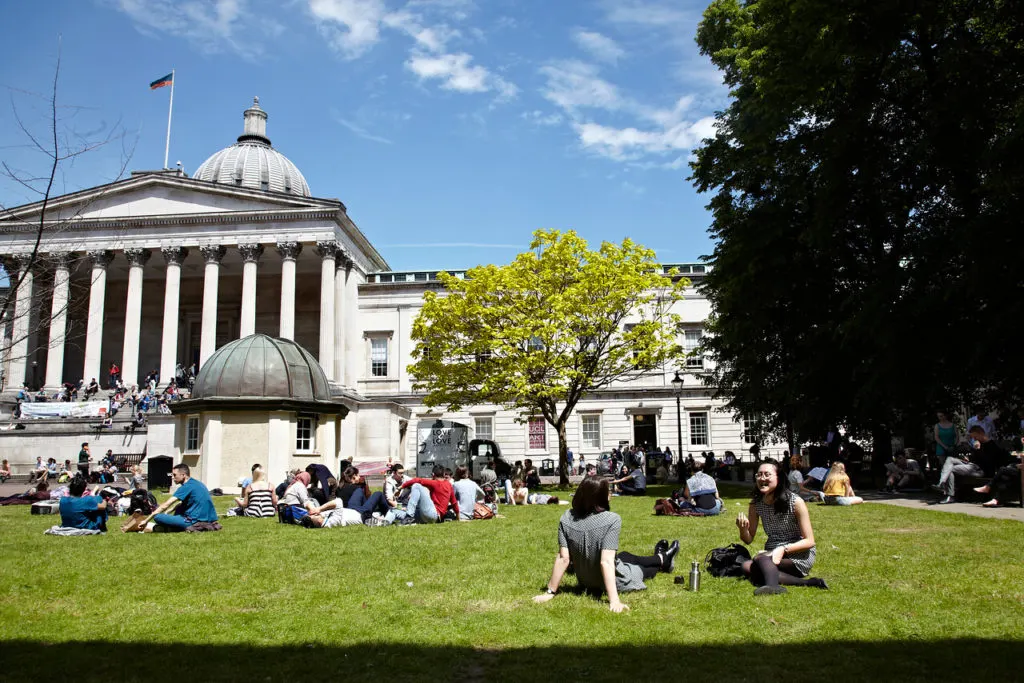
Summer school registration
Summer School 2026 has finished. Keep an eye out for Summer School 2027 — applications will open here.
Summer school registration
Applications for Summer School 2026 have closed and the programme has now finished. Thank you to everyone who applied.
Dates, the deadline and both application forms will be published on this page. Email us and we will let you know as soon as applications open.
Email usWhile you wait, our free Online Mentoring Programme offers weekly one-to-one STEM, IT and English support from October to March.
About online mentoringThe essentials
Our partnership with UCL
Founded 1826 · London’s global university
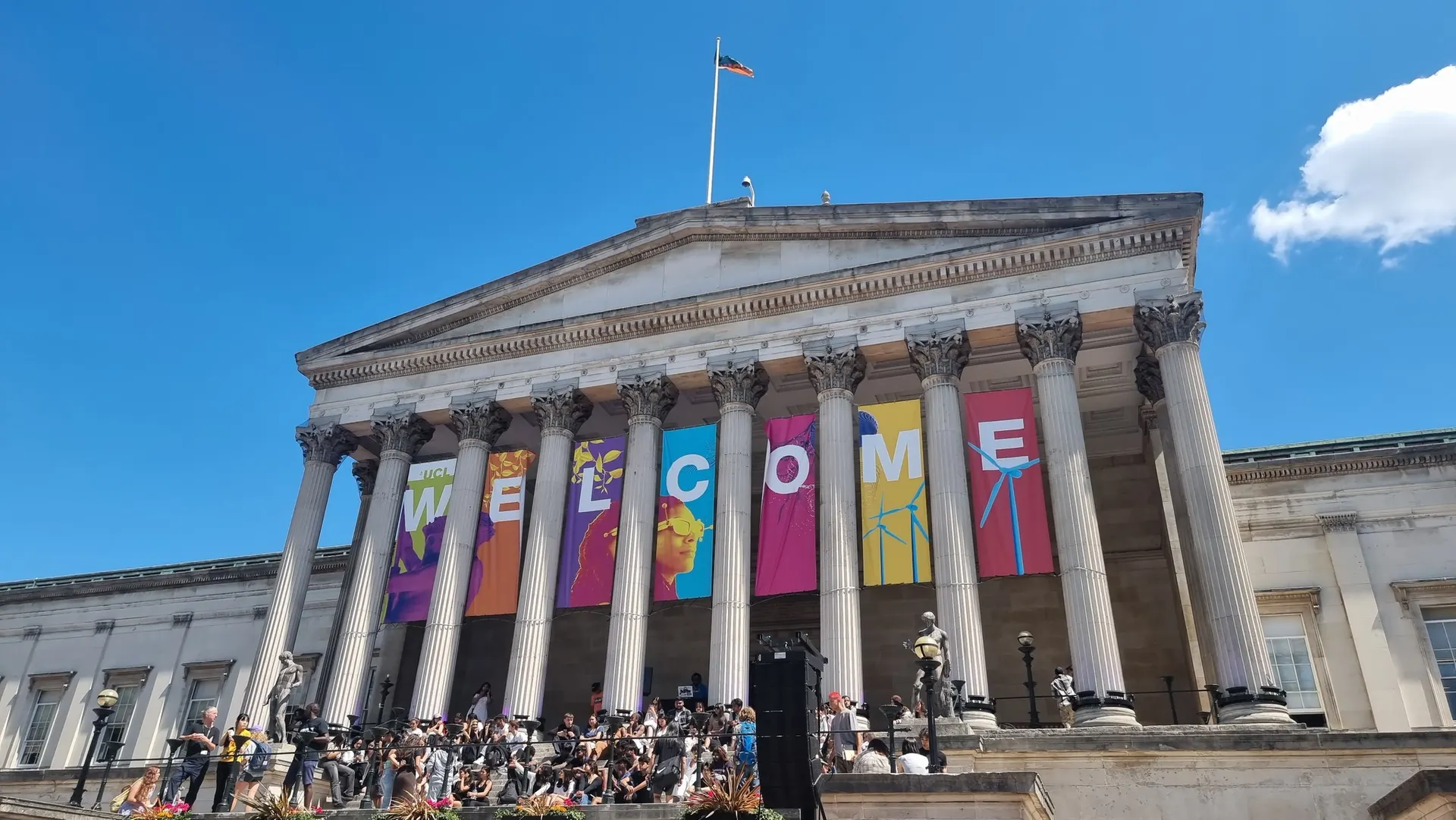
University College London (UCL) is one of the world’s leading multidisciplinary universities, known for its academic excellence, global outlook, and commitment to social impact. Founded in 1826 as the first university in England to welcome students regardless of race, class, or religion, UCL remains a progressive and inclusive institution.
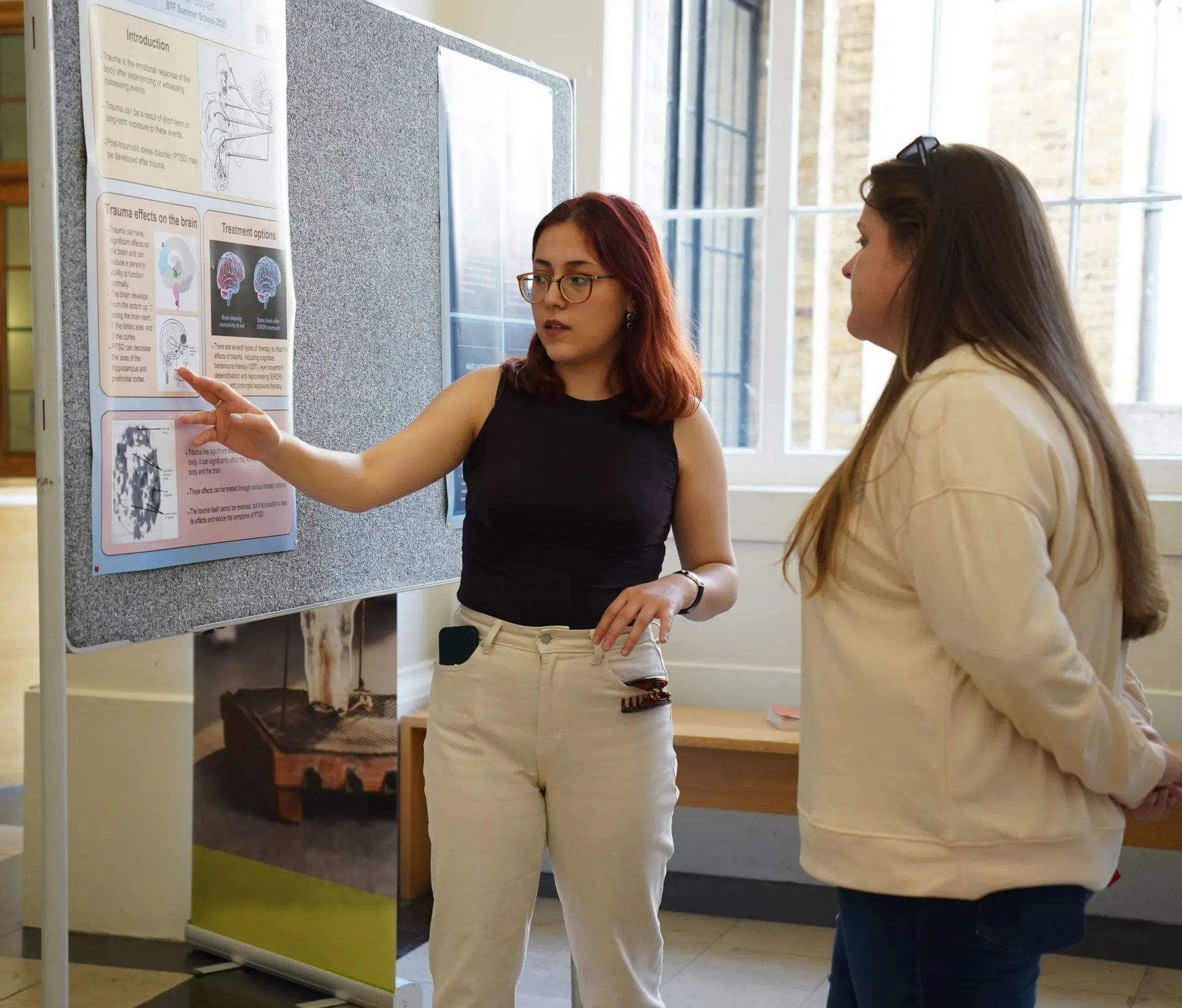
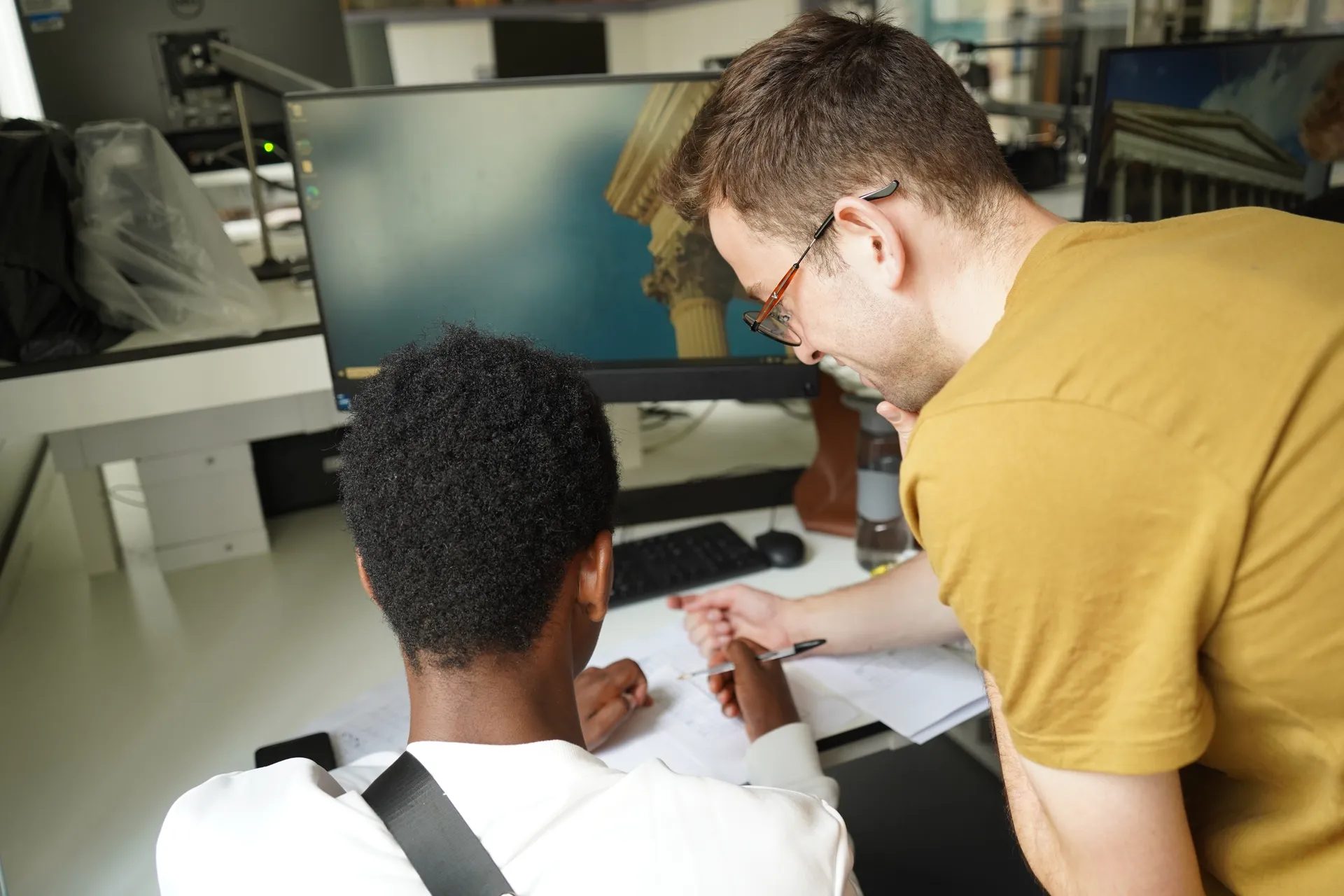
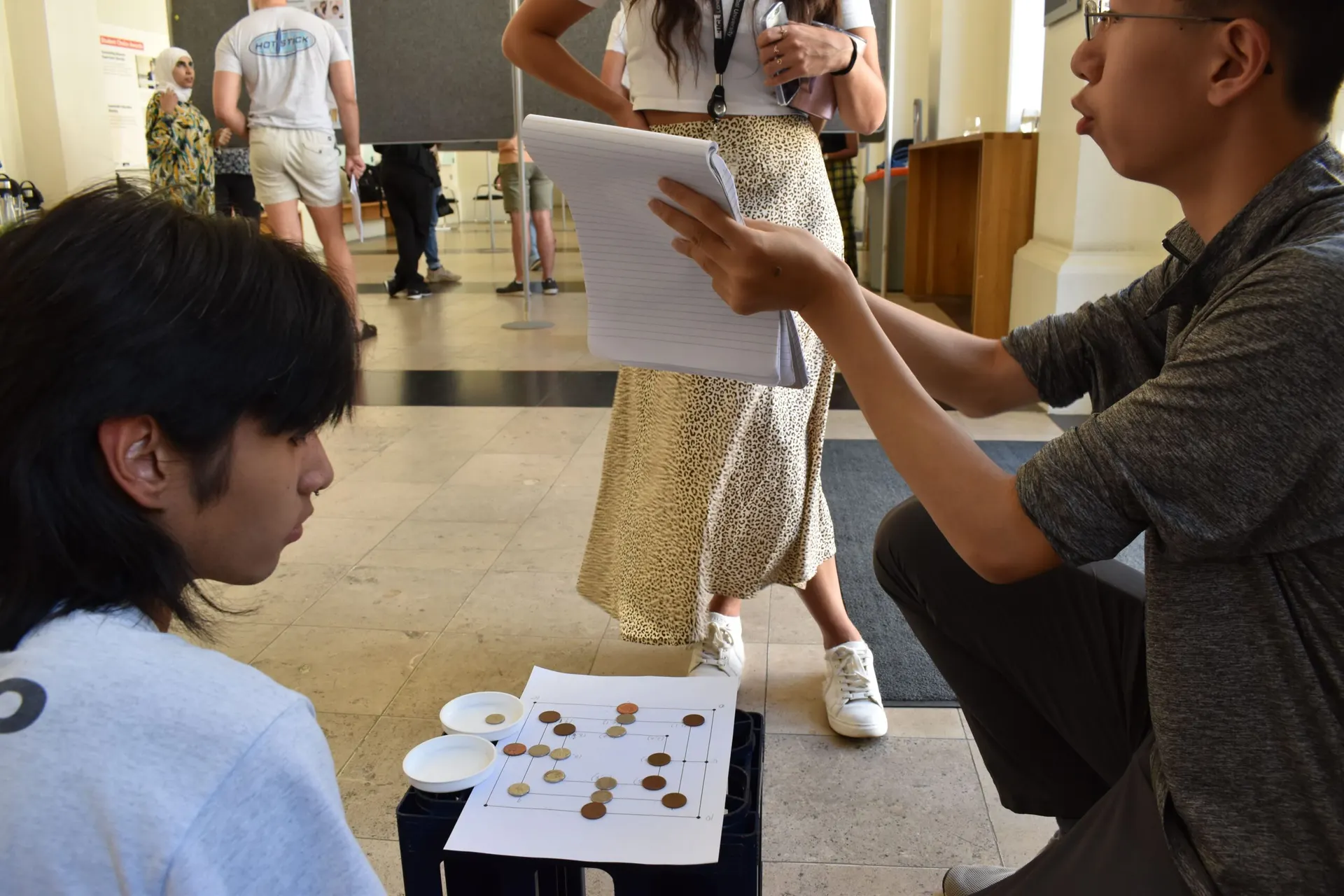
As our long-standing partner, UCL provides a vibrant learning environment where our summer school students gain hands-on experience in real university settings, supported by staff, researchers, and student volunteers from across the UCL community.
Its main campus is situated in the historic Bloomsbury district, just a short walk from major cultural landmarks such as the British Museum and the West End theatres. With excellent transport links — via nearby Underground stations like Euston, Russell Square, and Goodge Street — UCL is easily accessible from all parts of the city.
A world-class centre for research and teaching across fundamental and applied physics, from quantum materials to astrophysics.
One of the UK’s oldest EEE departments, advancing innovation in electronics, communications, and nanotechnology through cutting-edge research and education.
An interdisciplinary hub combining physics, engineering, biology, and medicine to solve global challenges using nanoscale science and technology.
A global leader in education and social research, dedicated to transforming lives through teaching, policy, and practice in education and beyond.
Rundown
Every day runs 10:00 AM – 4:30 PM.
Monday – Thursday
| Day | Time | Focus |
|---|---|---|
| Day 1 · Monday | 10:00 AM – 4:30 PM | Welcome & orientation session. Introduction to course objectives and ice-breaking activities. |
| Day 2 · Tuesday | 10:00 AM – 4:30 PM | Thematic lectures and workshops begin. Interactive discussions and hands-on tasks. |
| Day 3 · Wednesday | 10:00 AM – 4:30 PM | Case studies and small group problem-solving. Applied project work begins. |
| Day 4 · Thursday | 10:00 AM – 4:30 PM | Project continuation, group presentations, and peer & instructor feedback session. |
Monday – Thursday
| Day | Time | Focus |
|---|---|---|
| Day 1 · Monday | 10:00 AM – 4:30 PM | Recap of Week 1, new concepts introduced, and project updates. |
| Day 2 · Tuesday | 10:00 AM – 4:30 PM | Advanced workshops and group exercises on the course topics. |
| Day 3 · Wednesday | 10:00 AM – 4:30 PM | Guest lecture and project evaluation. |
| Day 4 · Thursday | 10:00 AM – 4:30 PM | Final presentations, feedback session, and course wrap-up. |
Before you apply
Still unsure? Email us at contact@bridgingthefuture.org and we will help.
Young people aged 16–22 from refugee, asylum-seeking and forced-migrant backgrounds who have the ambition to study science, engineering, technology or mathematics at a UK university.
Nothing. The summer school is free, and BTF covers transport within TfL Zones 1–6, food, and all learning materials.
Two: a student application form and a parent/guardian consent form. An application is only complete once both have been submitted. The forms are published here when applications open.
30 places. In 2025 we received 315 applications for those 30 places, so please apply early and complete both forms carefully.
Applications for Summer School 2026 have closed. Dates and the deadline for Summer School 2027 will be announced on this page — email contact@bridgingthefuture.org if you would like us to let you know.
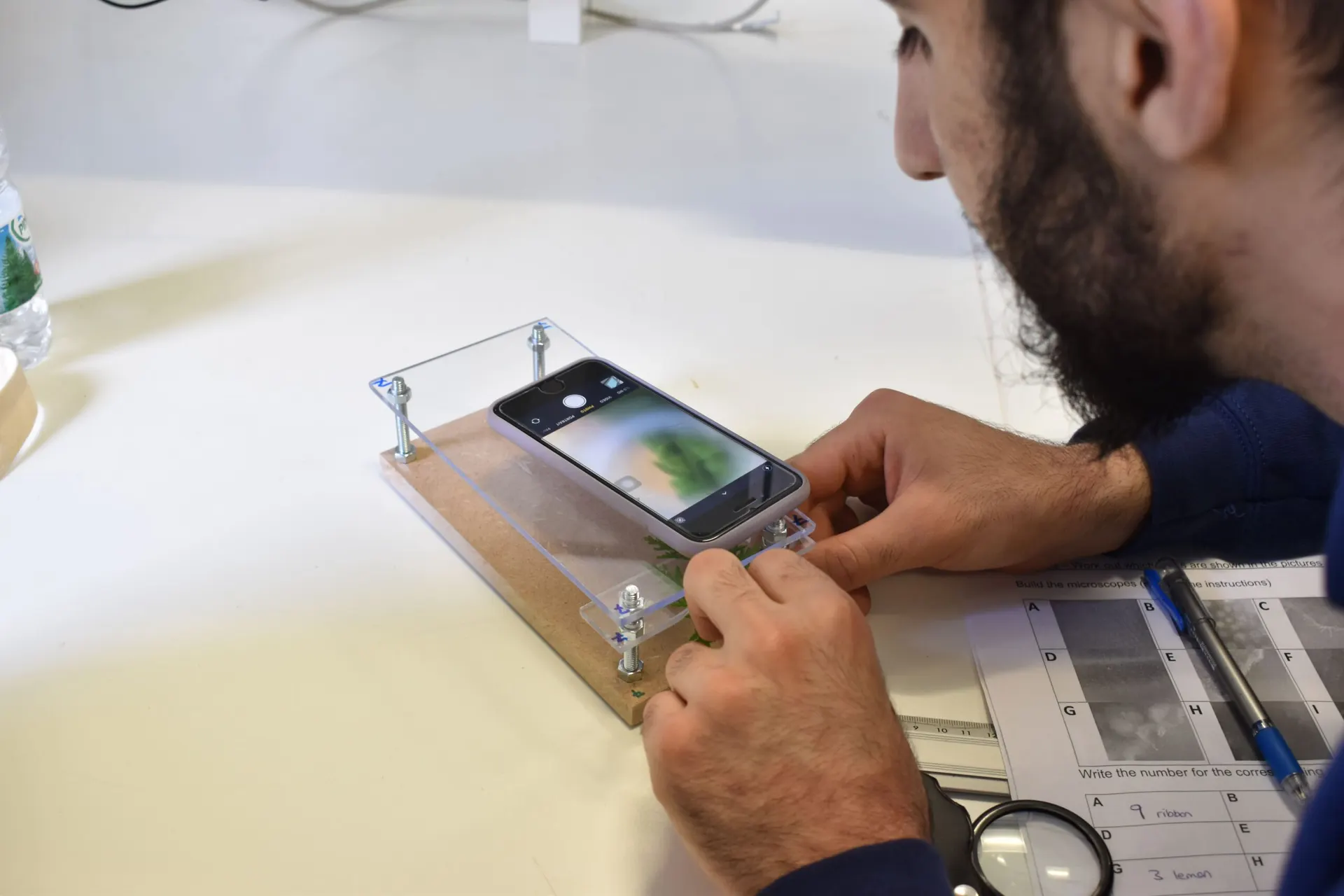
Summer School 2027
Applications for next summer will open on this page. In the meantime, find out about online mentoring and work experience.
Text size
100%
Saved on this device